Inside Digital Wallets: Security, Tokenization, and Privacy Explained
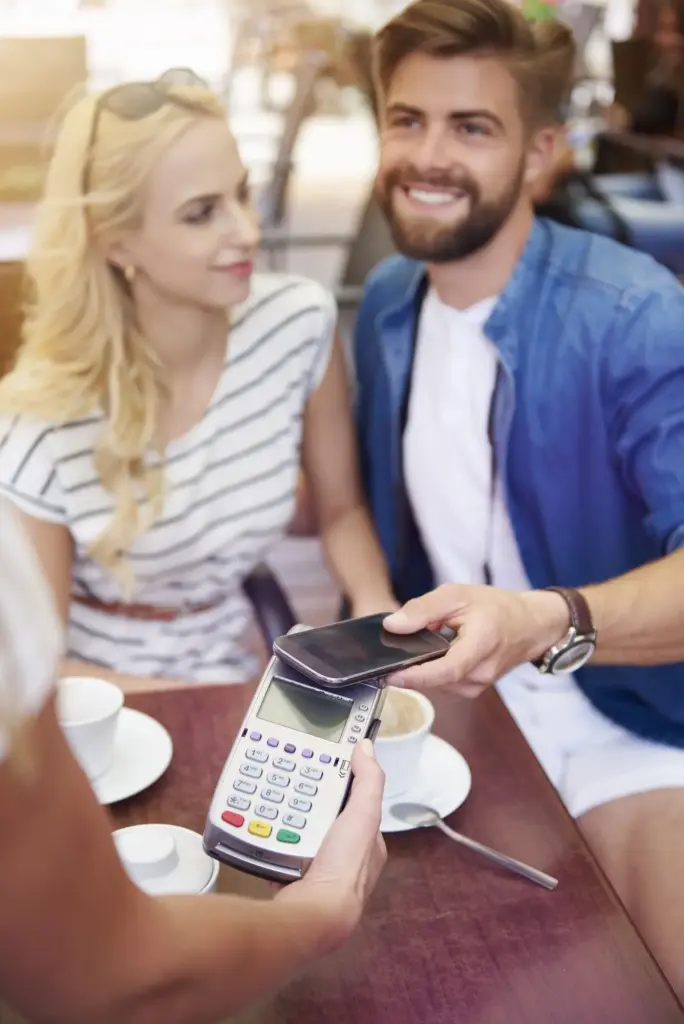
Welcome aboard as we explore Inside Digital Wallets: Security, Tokenization, and Privacy Explained, turning complex protections into clear, practical insights. Together we will decode how credentials are shielded, how tokenization reduces exposure, and how privacy safeguards your identity, so you can pay confidently, travel safely, and share wiser habits with friends and colleagues.

Anatomy of a Modern Wallet

Threats and Everyday Defenses

Real risks rarely announce themselves as movie villains; they blend into email lures, fake support calls, shady Wi‑Fi portals, and malicious overlays. Wallets defend with layered cryptography, attestation, consent prompts, device checks, and recovery paths. Understanding these defenses empowers smarter clicks, calmer responses, and faster, cleaner recoveries when incidents happen.

Phishing and Social Engineering Realities

Phishing thrives on urgency, impersonation, and tiny interface tricks. Wallets counter with tokenized transactions, on-device confirmations, and declining risky requests. Still, vigilance matters: verify addresses, distrust surprise refunds, and never share codes. If in doubt, close the message, reopen the official app independently, and confirm activity through trusted support channels.

Lost Devices, Quick Locks, and Recovery

When a device disappears, speed matters more than heroics. Use native find-my services, revoke wallet access remotely, and notify your bank to refresh tokens instantly. Because credentials are device-bound, thieves cannot export them. Prepare beforehand by enabling backups, activating biometric unlocks, and practicing a short checklist to minimize stressful decisions.

Malware, Overlays, and Runtime Protections

Modern wallets resist tampering using root detection, integrity checks, secure UI surfaces, and attestation that verifies genuine hardware. Runtime protections block keyloggers and overlays that mimic prompts. Avoid side-loaded apps, keep updates current, and prefer official stores. These ordinary habits combine with strong technical guardrails to keep hostile code at arm’s length.

Tokenization, Plainly Demystified

Tokenization replaces sensitive numbers with reversible surrogates controlled by strict policies. Merchants process tokens, networks route them, and issuers authorize against real accounts without exposing raw details. This separation shrinks breach impact, streamlines compliance, and supports richer controls such as device domain limits and instant revocation when risk indicators spike unexpectedly.

Privacy by Design, Not by Accident

Privacy emerges from deliberate choices: collect less, process locally, separate identities, and expire what you no longer need. Good wallets minimize telemetry, encrypt metadata, and provide clear settings. The result is useful personalization without creeping surveillance, respectful analytics without stalker tactics, and trustworthy experiences that reward curiosity instead of punishing attention.

On-Device Processing and Data Minimization

Whenever possible, sensitive checks stay on your device, avoiding centralized hoards of behavioral data. Minimization means declining to store birthdates for routine payments, truncating identifiers, and aggregating trends rather than recording specifics. This discipline reduces valuable targets for attackers and aligns everyday convenience with a healthier, less extractive digital economy.

Pseudonymization, Aggregation, and Safer Signals

Privacy-friendly wallets lean on pseudonyms, rotating identifiers, and cohort-level signals that guide risk engines without exposing individuals. Combined with strict purpose limits and retention schedules, these techniques preserve performance while softening surveillance edges. You still get declined if a risk is high, but unnecessary exposure fades into the background responsibly.

Authentication That Actually Feels Effortless
Biometrics, Liveness, and Spoof Resistance

Fingerprint and face unlocks pair with liveness checks to resist photos, silicone molds, and replay attacks. Templates remain encrypted on-device, never becoming roaming secrets. When sensors notice mismatches or unusual environments, fallbacks request a PIN or passkey. These layers balance comfort with resilience, scaling protection across everyday commutes and international travel alike.

Passkeys and FIDO2 in Practice

Passkeys bind authentication to your device’s secure hardware, eliminating phishable passwords and SMS codes. Registration proves possession; subsequent sign-ins sign challenges locally. Sync across trusted devices strengthens continuity without leaking secrets. For wallets, this means smoother account recovery, safer web-to-app transitions, and fewer moments where a con artist can intervene.

Adaptive Checks and Risk Signals

Not every transaction deserves the same scrutiny. Risk engines weigh geolocation drift, device posture, spending history, merchant reputation, and time-of-day patterns. Low risk? Glide through. Odd spikes or mismatched fingerprints? Step-up factors engage. Explaining decisions in plain language mitigates frustration and invites users to help correct false positives quickly.

Standards and Rules That Quietly Keep Order
Though you may never read them, standards like PCI DSS, EMVCo specifications, and privacy regulations set boundaries that wallets must honor. They define testing, encryption, disclosures, and incident handling. When frameworks evolve, wallets adapt swiftly, ensuring your tap promises consistent protections across cities, currencies, merchants, and shifting regulatory expectations worldwide.

A Quick Routine That Pays Dividends

Once a week, scan recent transactions, update your device, and recheck recovery options. Twice a year, audit connected merchants and subscriptions. These minutes slash risks dramatically. If you discover anomalies, pause calmly, contact your issuer through official channels, and let token controls and dispute flows work in your favor.

Anecdote: The Airport Panic that Wasn’t

A traveler misplaced their phone before boarding. Panic faded when find-my tools locked the device, while the bank re-provisioned tokens to a spare watch. No numbers changed, no marathon calls. Preparation plus tokenization turned a potential disaster into an inconvenient, teachable moment the traveler now shares with grateful friends.

Join the Conversation and Shape the Future

Share your wallet wins, confusions, and ideas in the comments, and subscribe for deep dives into new protections as they ship. Your questions guide which misconceptions we untangle next. Together we can popularize better defaults, celebrate transparency, and demand respectful, privacy-forward innovations that truly earn everyday trust.

Dexotorapiralaxitari
Privacy Overview

This website uses cookies so that we can provide you with the best user experience possible. Cookie information is stored in your browser and performs functions such as recognising you when you return to our website and helping our team to understand which sections of the website you find most interesting and useful.