
Tap, Pay, Go: Inside Contactless Payments at the Checkout
The NFC Magic Behind a Quick Tap
How Two Antennas Start a Conversation
Standards That Keep Everything Compatible
Card Emulation in Phones and Wearables
Security You Don't See, Protections You Feel
A Tap’s Timeline: Milliseconds That Move Money
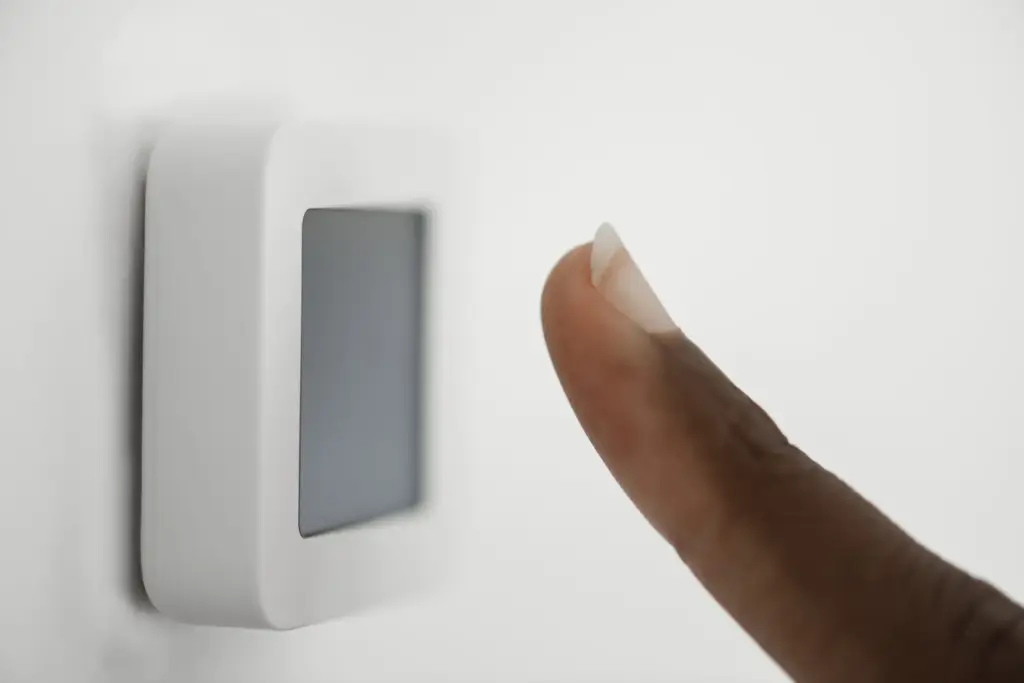
From Field Detection to App Selection
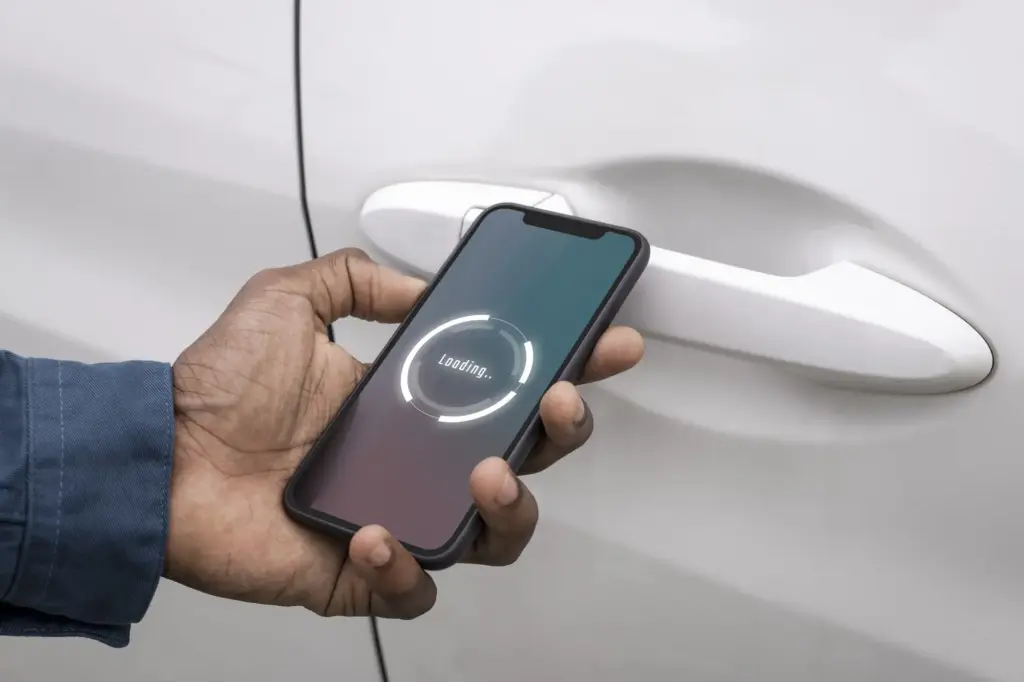
Cryptograms, Tokens, and the Network Hop
Cards, Phones, and Watches: Same Gesture, Different Paths
At the Checkout: Terminals, Readers, and Routing Decisions

Troubleshooting Taps and Improving Success Rates
When the Terminal Says Try Again
Interference and alignment commonly cause retries. Large phone cases, metal counters, and crowded wallets weaken coupling. Ask customers to bring the device closer, rotate ninety degrees, or tap the logo directly. If a card within a phone case confuses detection, remove it temporarily. Sudden power dips can also interrupt exchanges; a dedicated outlet or UPS helps. Track retry rates by lane to spot hardware drift early, then recalibrate or replace affected readers before queues suffer.
Handling Declines Without Awkwardness
A friendly script calms tension: acknowledge the inconvenience, suggest a second tap, then offer chip insertion or another card. For wallets, confirm recent biometric unlock. Avoid blaming the customer; many declines stem from issuer rules, not behavior. Provide clear receipts or notifications, and reassure that no duplicate charge occurs after a failed authorization. Note times and amounts to help support teams investigate patterns. Invite customers to share device models privately, which often reveals solvable compatibility quirks.
Make Your Store Tap-Friendly
Place readers within easy reach, slightly angled to reduce glare and improve antenna alignment. Display the contactless symbol prominently and keep the reader awake during peak times. Train staff to point at the logo and coach quick, confident taps. Maintain clean firmware and documented fallback procedures. Offer Wi-Fi for wallets needing data after provisioning. Finally, encourage feedback through short surveys or email replies, and subscribe to our updates so your lanes stay fast, modern, and delightful.